Moving House With Kids? One Small Thing That Helps
When a family moves house, everything feels unfamiliar. A personalised sticker on a bedroom door can help a strange new room feel like their room.
By Jess Holloway5 min read

Picture the first week in a new house
Imagine a family four days into a new house. The lounge room is a maze of brown boxes. The kitchen has two mugs, one saucepan, and no idea where the can opener went. The WiFi isn't connected yet, which in a house with a nine-year-old and a six-year-old feels like a power outage.
The nine-year-old is handling it with the quiet tolerance of a kid who understands why the move happened but doesn't have to like it. The six-year-old isn't handling it at all. He cried in the car on the way over, refused to sleep in his new room the first night, and keeps asking if they can go back to the old house, just to check on things.
Their parents have done the things the parenting guides suggest. They talked about the move early. They visited the new house before moving day. They set up the kids' bedrooms first, unpacking favourite toys and books before anything else. Bedtime, stories and breakfast stayed the same.
It helps. But the six-year-old's room still isn't his room. It's a room with his things in it, which isn't the same.
A sticker on the door
Say they ordered personalised stickers a week before the move: one sheet for each kid. The nine-year-old picked Space Explorer. The six-year-old picked Dino World, the way he has for everything since he was four.
On day five, while unpacking the last of the kids' boxes, a parent sticks a large sticker on his bedroom door: him as a cartoon character surrounded by dinosaurs, with his name in a banner underneath. No ceremony. It's just there when he walks past.
That might be the moment he points at the door and says, "That's my door." Or it might take longer. A sticker won't fix a hard move on its own, but it gives a child something in the new house that is obviously theirs.
Why a sticker can help
Moving house with kids is hard because children see change differently. Adults see a better kitchen and more storage. Kids see a bedroom without their glow-in-the-dark stars on the ceiling and a backyard without the tree they used to climb.
The common advice is to involve kids in the process. Let them choose where the furniture goes. Give them small jobs on moving day so they feel included.
A personalised sticker adds something slightly different. It claims the space for them. A sticker of their face on a door says this room belongs to someone, and that someone is the kid in the sticker.
For younger children, who often can't explain why the new house feels wrong, a visible piece of themselves in the new space is something simple to try.
A quieter version for older kids
An older child might not want a sticker on the door. They could put it on the front of a plain second-hand desk instead, so it becomes their desk rather than a random one from a stranger's house.
A second, smaller sticker from the same sheet can go on a drink bottle: something to carry between home and school.
Small anchors in a lot of change
Keeping routines steady is common advice for helping kids settle after a move: same bedtime, same mealtimes, same order to the morning. These are anchors, familiar patterns in an unfamiliar place. The Raising Children Network has practical guidance on helping children through changes like this.
A sticker is a visual anchor. It's on the door every morning when the child walks out and every night when they walk back in. In a house where everything is still being unpacked, the sticker is already settled.
You could put a family sticker on the fridge too: both kids as characters, side by side. The stickers are laminated and waterproof, so they handle daily wiping. Our sticker materials and sizing guide covers which size suits which surface.
Boxes with faces on them
Here's a practical one: give the kids a few small stickers before the move and let them label their own packing boxes. A tiny dinosaur version of one kid on the toy box. A tiny astronaut version of the other on the book box.
On moving day, kids who can't read the labels yet can still find their own boxes, because they can spot their faces. And a kid who carries their own box to their own room gets a small job and a bit of control on a day with very little of either.
After the move
Over the following weeks, things settle. The WiFi gets connected. The can opener turns up in a box marked "bathroom stuff."
The door sticker might get joined by drawings from school and a photo of a best mate from the old neighbourhood. An older kid might swap their desk sticker for a new scene a few months later. That's fine. The new house becomes home, and the sticker becomes something they can update.
For ideas on making their room feel permanent, our guide to kids' bedroom door stickers covers the longer-term decorating side. And if the move coincides with starting at a new school, first day of school stickers can help with that transition too.
A small thing in a big change
Rental leases end. Jobs relocate. Families outgrow their space. Each move asks kids to leave behind what's familiar and trust that the new place will eventually feel like home.
You can't make that happen overnight. But you can put a sticker on a door that says this room is theirs.
If you're planning a move, make one with your kids before moving day so it's ready to go up in the new house.
Make it yours
Try a sheet with your own photo.

More ideas
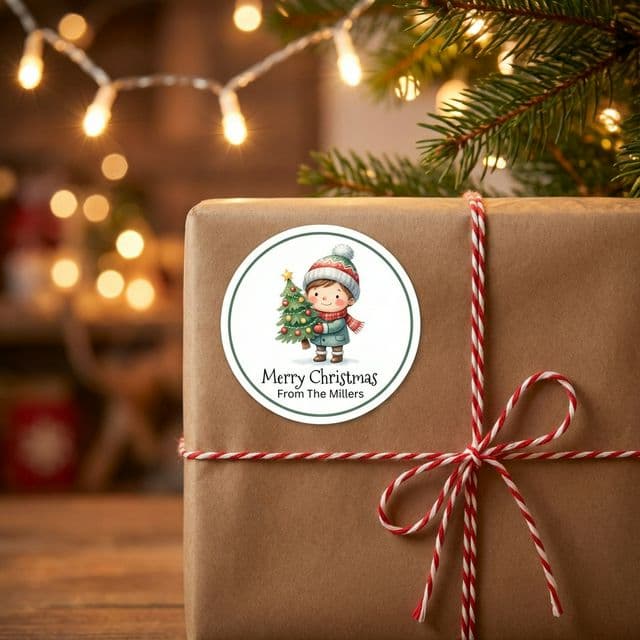
Christmas Gift Label Stickers: Sizes, Costs and Steps
How to make personalised Christmas gift labels: which sticker size fits a present, what a sheet costs in AUD, and the five steps from photo to parcel.
4 min read
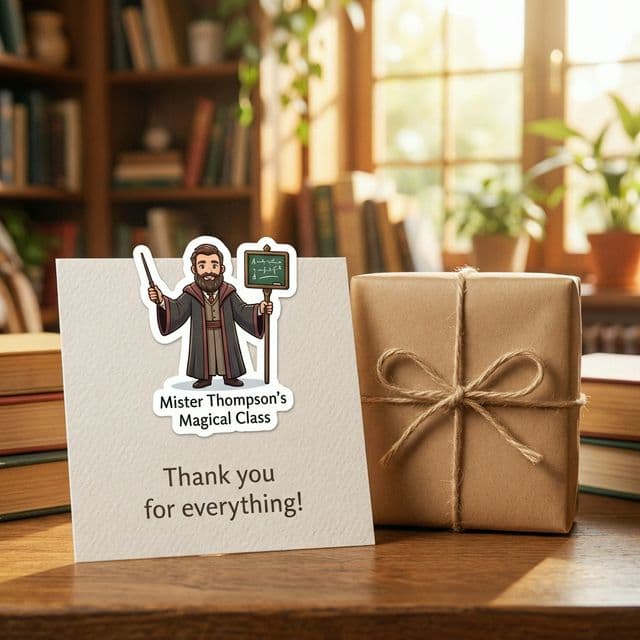
7 Teacher Gift Ideas That Aren't Another Mug
End of year teacher gifts in Australia that won't collect dust. Personalised, practical, and not a candle in sight.
4 min read
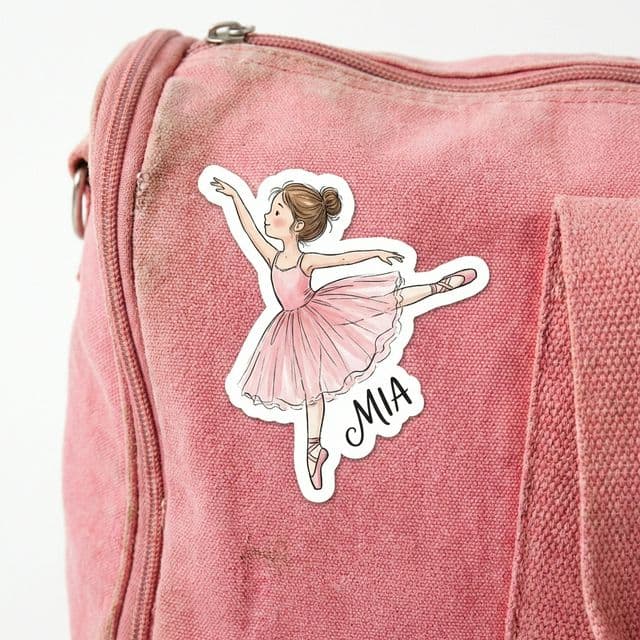
7 Ways to Celebrate Your Kid's Dance Recital
From the dance bag to the dressing room mirror, personalised dance stickers turn a ten-minute performance into a keepsake that lasts.
4 min read

Want to make one?
Choose a photo, pick a scene, and preview your sticker sheet.