Which Reward Chart System Actually Sticks?
Star charts, marble jars, screen time tokens: we compare the most popular reward systems and explain why a sticker of your kid as the hero hits different.
Every Parent Tries a Reward System Eventually
You hit the wall around age three. The asking nicely stops working. The counting to three loses its power. And someone (a friend, a parenting blog, your own mum) suggests a reward chart.
So you try one. Maybe it works for a week. Maybe two. Then the novelty wears off and you're back to negotiating over teeth-brushing like it's a hostage situation.
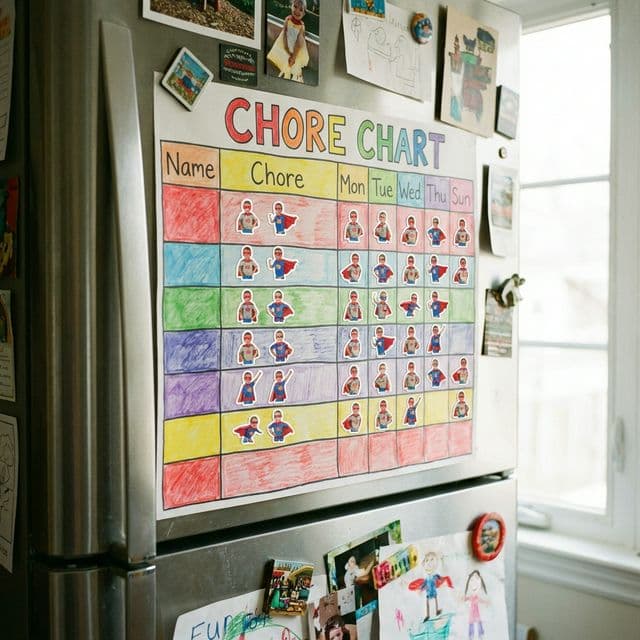
The system isn't always the problem. Sometimes it's the reward. I've tried most of the popular options with my kids, and the difference between a generic gold star and a sticker of my daughter as a superhero was genuinely surprising.
But let me break down the main contenders first.
The Contenders: 5 Reward Systems Compared
1. The Classic Star Chart
How it works: A grid on the fridge. Each completed task earns a star sticker. Fill a row, earn a reward.
Pros: Simple, visual, every newsagent sells star stickers. Raising Children Network recommends them for ages 3-8, and the research backs it: they do change behaviour in the short term.
Cons: Generic stars lose their pull fast. After two weeks, most kids stop caring about another yellow star. You end up buying shinier stickers, then novelty erasers, then just bribing with screen time. The chart quietly migrates from the fridge to the recycling bin.
Verdict: Good starting point. Poor staying power.
2. The Marble Jar
How it works: Good behaviour earns a marble in a jar. When the jar is full, the family earns a reward together (movie night, pizza, a trip to the park).
Pros: The visual progress is satisfying. Kids can hear the marble drop and see the jar filling. The collective reward encourages siblings to cheer each other on instead of dobbing.
Cons: Marbles roll everywhere. Toddlers put them in their mouths. The jar takes ages to fill if you're strict, and the delayed reward loses younger kids. Also, there's a real temptation to remove marbles for bad behaviour, which psychologists consistently advise against.
Verdict: Works well for families. Less effective for individual behaviour goals.
3. Screen Time Tokens
How it works: Kids earn tokens (physical coins, poker chips, printed cards) for completed tasks. Each token buys a set amount of screen time.
Pros: Screen time is a powerful motivator. No kid turns down an extra fifteen minutes of YouTube.
Cons: You're now running a micro-economy where the currency is screens. Research on extrinsic motivation warns this can backfire: kids start viewing every request as a transaction. "What do I get if I do that?" becomes the default response. Plus, you're effectively rewarding good behaviour with something most parents are trying to limit.
Verdict: Effective short-term. Creates weird incentive structures long-term.
4. Points and Privileges
How it works: Kids earn points logged in an app or notebook. Points unlock privileges: choosing dinner, staying up late, picking the weekend activity.
Pros: Flexible. The rewards don't cost money. Older kids (7+) respond well to the autonomy angle.
Cons: Requires consistent tracking. If you forget to log points for a few days, the whole system collapses. Younger kids don't have the patience for abstract point tallies.
Verdict: Best for older kids. Too complex for under-fives.
5. Personalised Sticker Rewards
How it works: Same chart concept, but instead of a generic star, each earned sticker is a personalised illustration of your child as a character. Superhero for making their bed. Space Explorer for brushing teeth without a fight.
Pros: The sticker IS the reward, not just a token toward one. When the sticker features their face as a hero, kids want to earn it for its own sake. They show it off. They admire the chart. One sheet of small stickers lasts weeks because each one feels significant.
Cons: Costs more than a $2 pack of stars from Officeworks. Requires a bit of setup time choosing scenes and uploading a photo.
Verdict: Higher engagement, longer staying power, better conversations about what they earned and why.
Why Personalised Beats Generic
The psychology is straightforward. A gold star says "good job." A sticker of your child as a Superhero says "you did something heroic, and this is you being heroic."
That's identity reinforcement, not just positive reinforcement. The child isn't earning a token: they're earning a version of themselves being celebrated. Research from child psychologists suggests that rewards matched to a child's interests produce stronger motivation, and it's hard to match a child's interests more directly than putting their own face on the reward.
My daughter filled her old star chart in about ten days. She filled the personalised sticker chart in three: she was racing to earn the next one because she wanted to see herself as a Rainbow Unicorn character on the chart.
For more on why this clicks with kids, we've written about why kids love personalised stickers.
The Comparison at a Glance
| System | Cost | Setup effort | Ages | Staying power | Motivation type |
|---|---|---|---|---|---|
| Star chart | $ | Low | 3-8 | 1-2 weeks | Extrinsic |
| Marble jar | $ | Low | 4-10 | 2-4 weeks | Collective |
| Screen tokens | $ | Medium | 5-12 | 2-3 weeks | Extrinsic |
| Points system | Free | High | 7+ | Varies | Autonomy |
| Personalised stickers | $$ | Medium | 3-10 | 4-8 weeks | Identity |
Making It Work in Practice
Pick two or three behaviours to track: not ten. The Raising Children Network recommends choosing two things your child already does well and one new goal. That way they experience early success and the chart doesn't feel like a list of failures.
A single sticker sheet gives you enough small stickers for weeks of charting. Choose a scene that matches the behaviour: Superhero for bravery tasks, Space Explorer for trying new things. Keep the chart somewhere visible. The fridge door is classic for a reason.
And the golden rule from every child psychologist: never remove stickers for bad behaviour. The chart tracks wins only. Bad days just don't get a sticker. No punishment, no removal, no negotiation.
Which System Should You Try?
If your kid is under five and you want something dead simple, start with a star chart and see how long it holds. If it fades after a fortnight, swap the stars for personalised reward stickers and watch the difference.
If you have multiple kids, the marble jar builds teamwork. If your child is over seven and responds to logic, try a points system.
But if you want the one that gets kids genuinely excited to do the boring stuff? A sticker of themselves saving the world tends to do it. Upload a photo and pick a scene: you'll have a reward system that actually survives past week two.
You might also like our ideas for lunchbox stickers as a daily surprise that works on the same principle.
Peel off another one
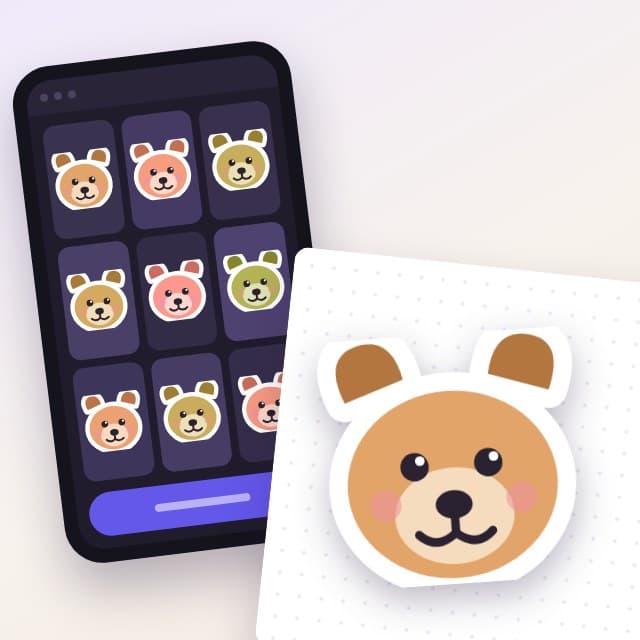
How to Print ChatGPT Stickers in Australia
You made stickers in ChatGPT and now you want them on a drink bottle. What actually stands between a generated image and a real peel-off sticker.
Read article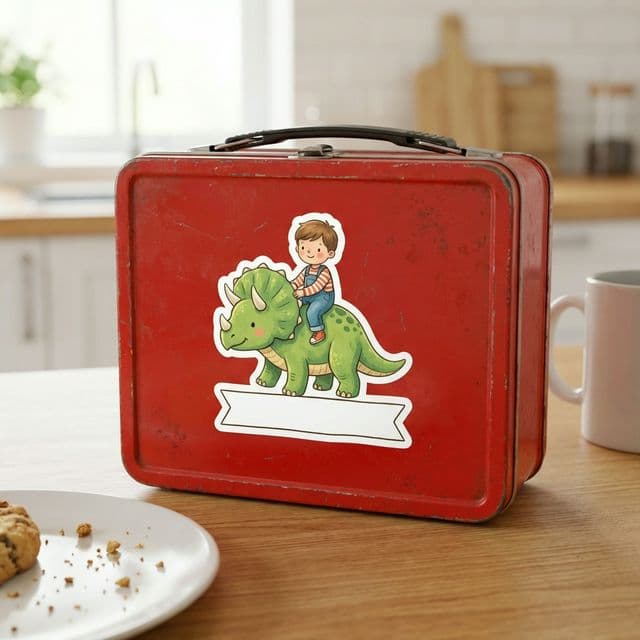
Personalised School Labels Kids Can Recognise
A practical guide to personalised school labels: what to label, which sticker size fits where, and how one familiar character helps kids spot their gear.
Read article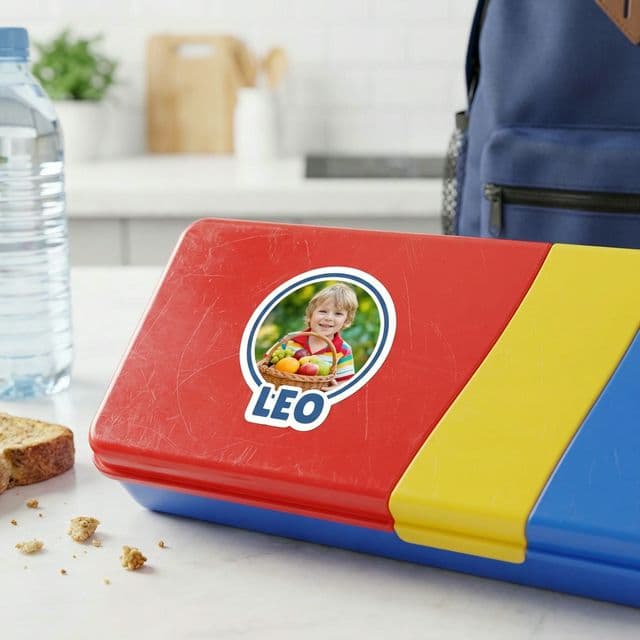
The Lunchbox Label Your Kid Will Actually Be Proud Of
Plain name labels are boring and kids ignore them. A personalised illustrated lunchbox sticker does identification and pride in one go.
Read articleWant to make one?
Upload a photo, pick a scene, and see what our agents come up with. Accounts include free weekly generation credits, and printing is charged only when you order.